What does it taste like?
Flavor and texture vary by variety, freshness, and preparation.
Vegetables
배추
Common aliases
napa cabbage · chinese cabbage
Napa cabbage appears in Korean soups, stir-fries, salads, and side dishes. The source recipe may use a particular cut or form, so check the Korean ingredient note before cooking.
Flavor and texture vary by variety, freshness, and preparation.
Use the form and amount listed in the recipe; trim or rinse as needed.
Look for fresh napa cabbage with no off smell or sliminess.
Refrigerate promptly and follow the package date when one is provided.
Bok choy or green cabbage can work in some cooked dishes, but texture and water content differ.
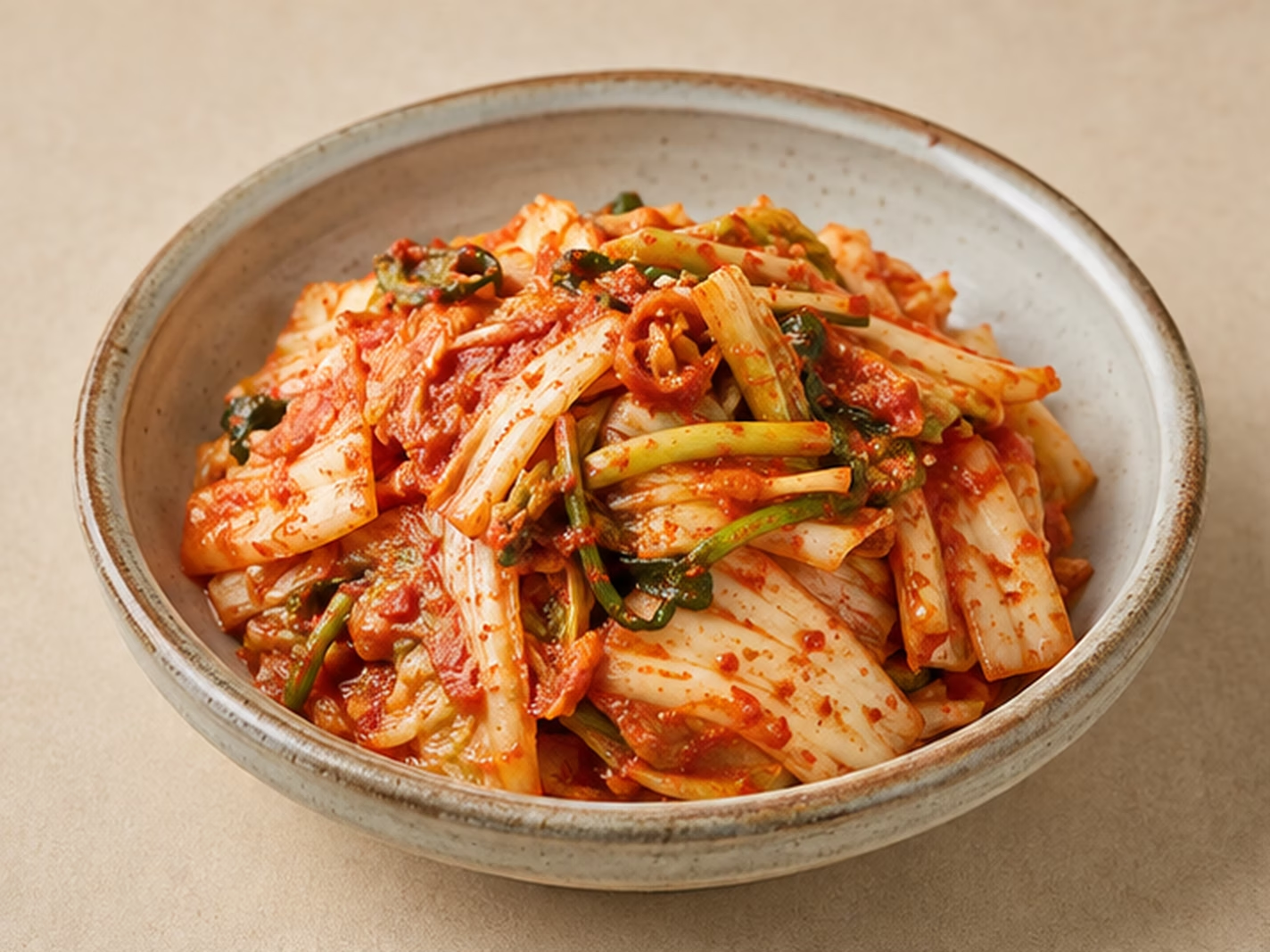
Fresh baby napa cabbage and scallions tossed in a spicy dressing of potato, chili powder, plum syrup, fish sauce, salted shrimp, radish, onion, ginger, and garlic.
View recipe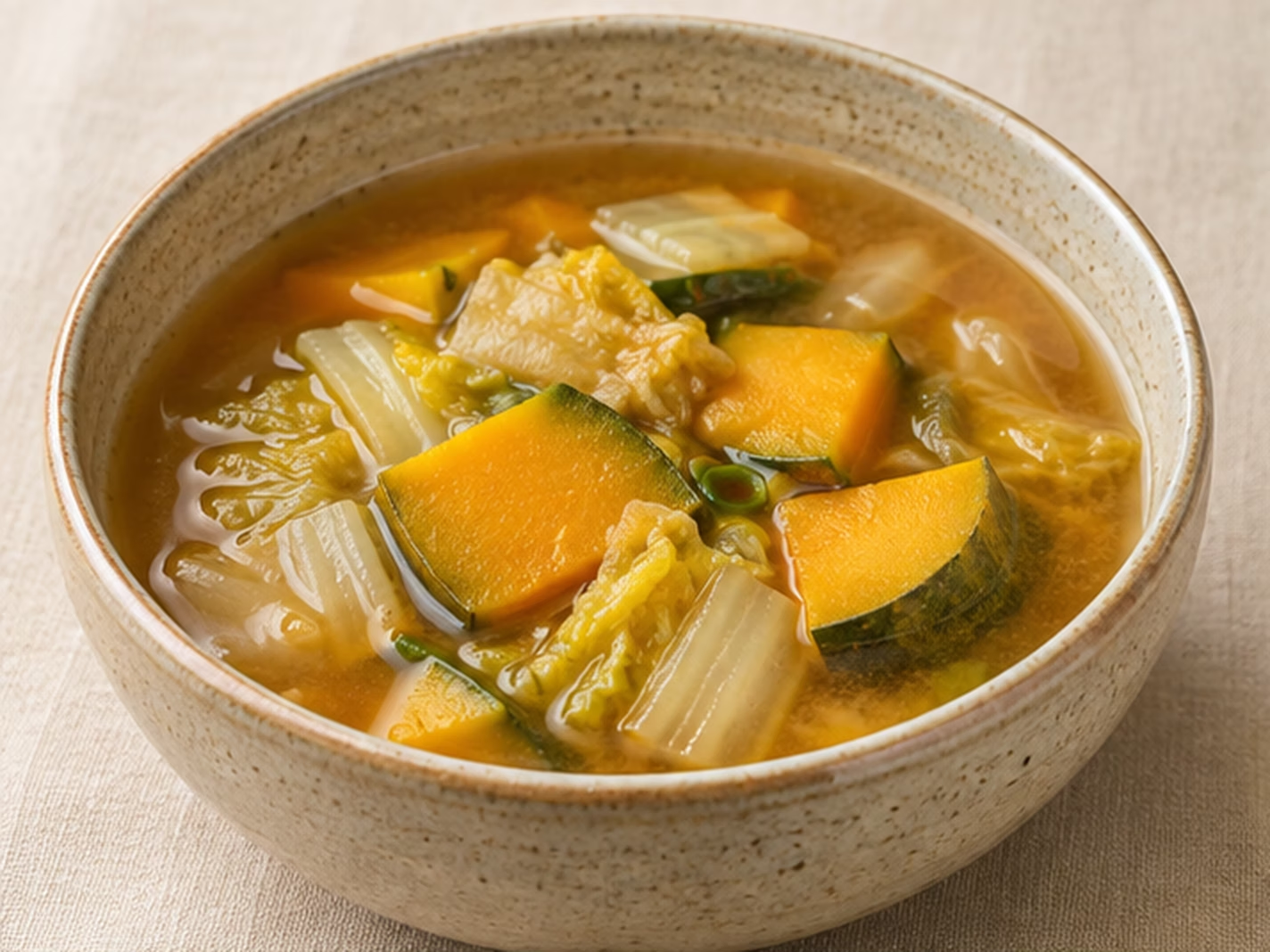
A light soybean paste soup with mashed kabocha squash, napa cabbage, king oyster mushroom, and red chili in a simple green onion and onion broth.
View recipe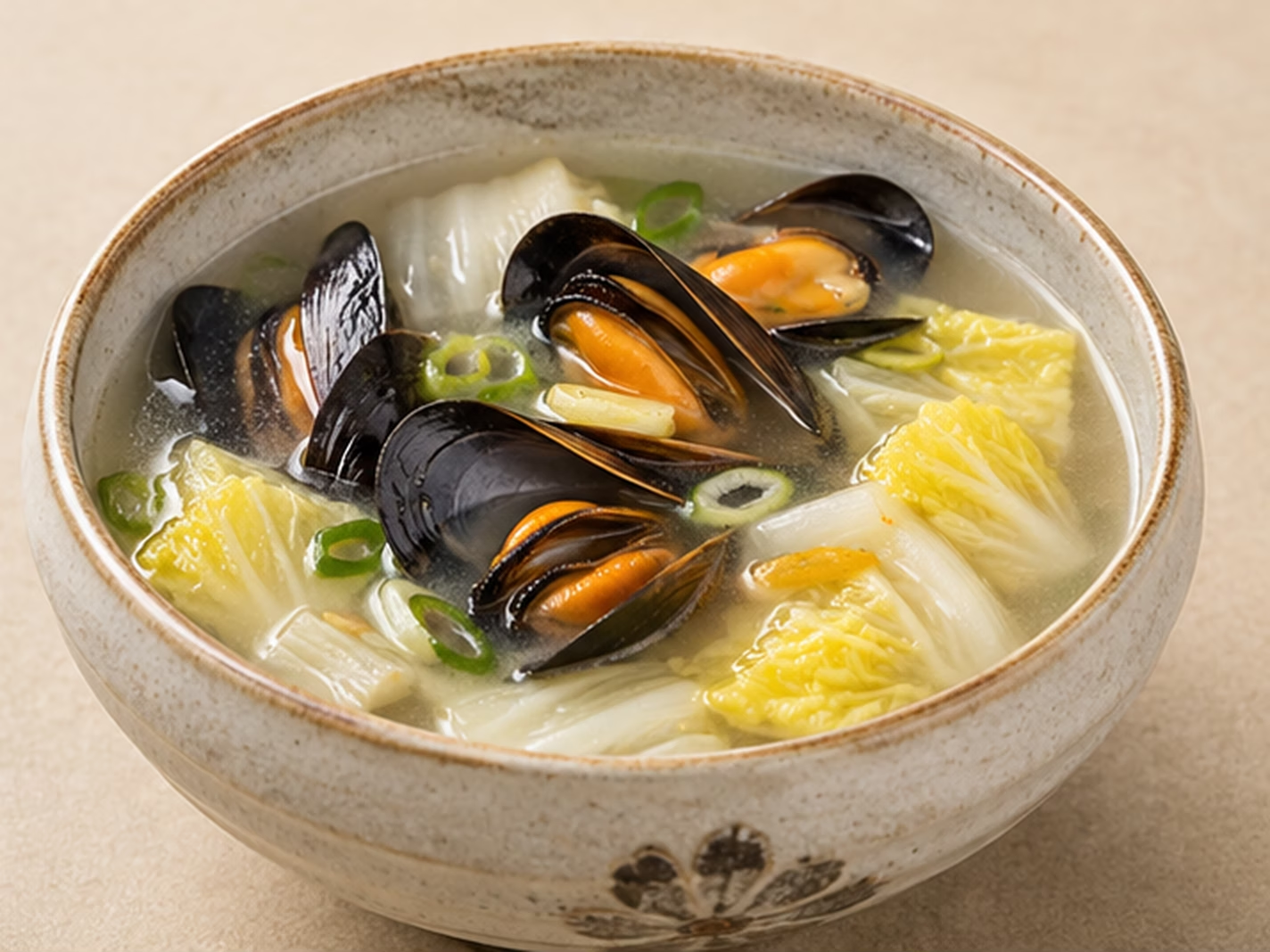
A clean, savory soup of mussels, napa cabbage, and radish finished with garlic, green onion, and red chili.
View recipe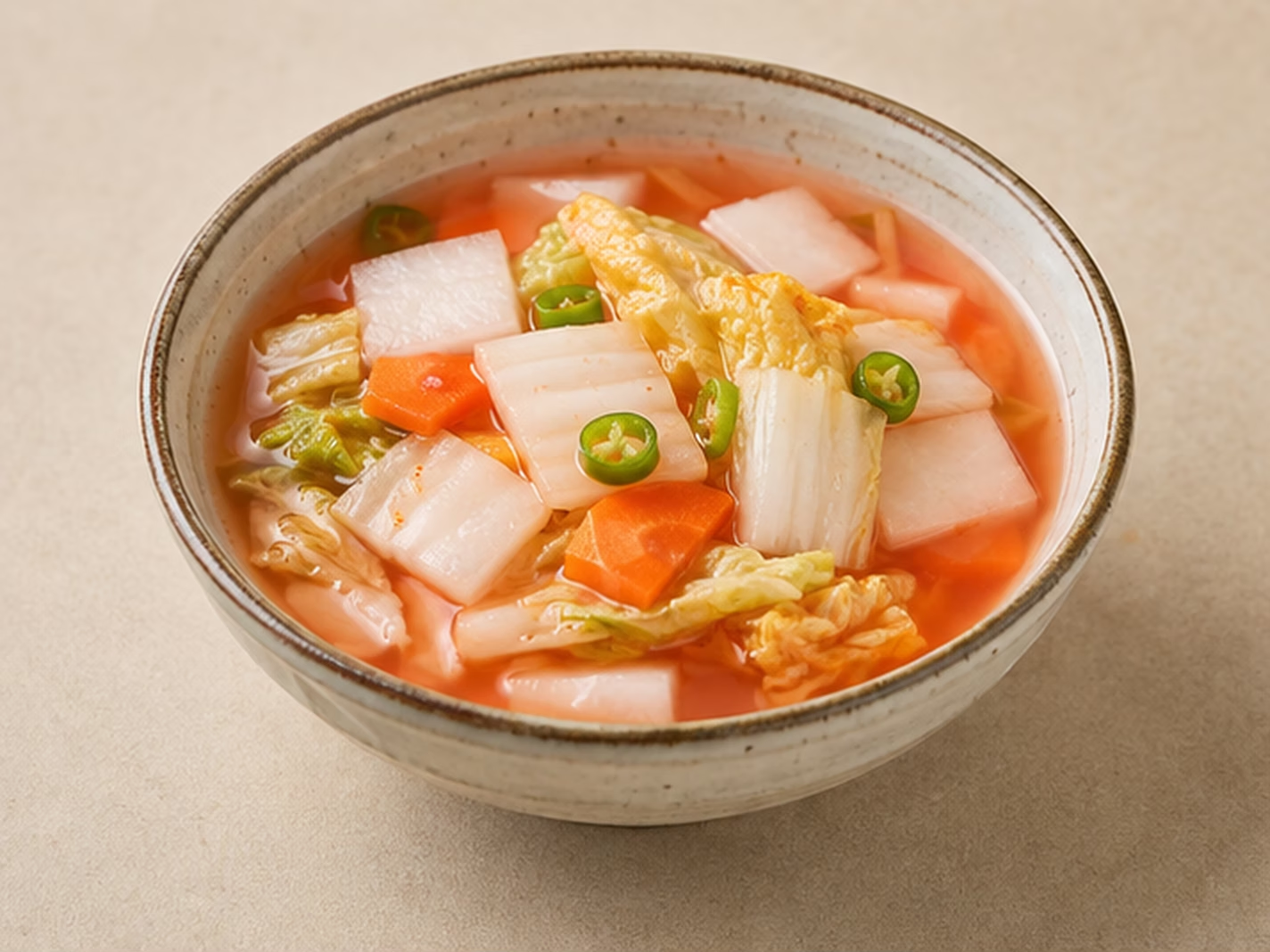
A refreshing water kimchi with napa cabbage, radish, carrot, herbs, fresh ginseng, and a lightly spiced chili broth.
View recipe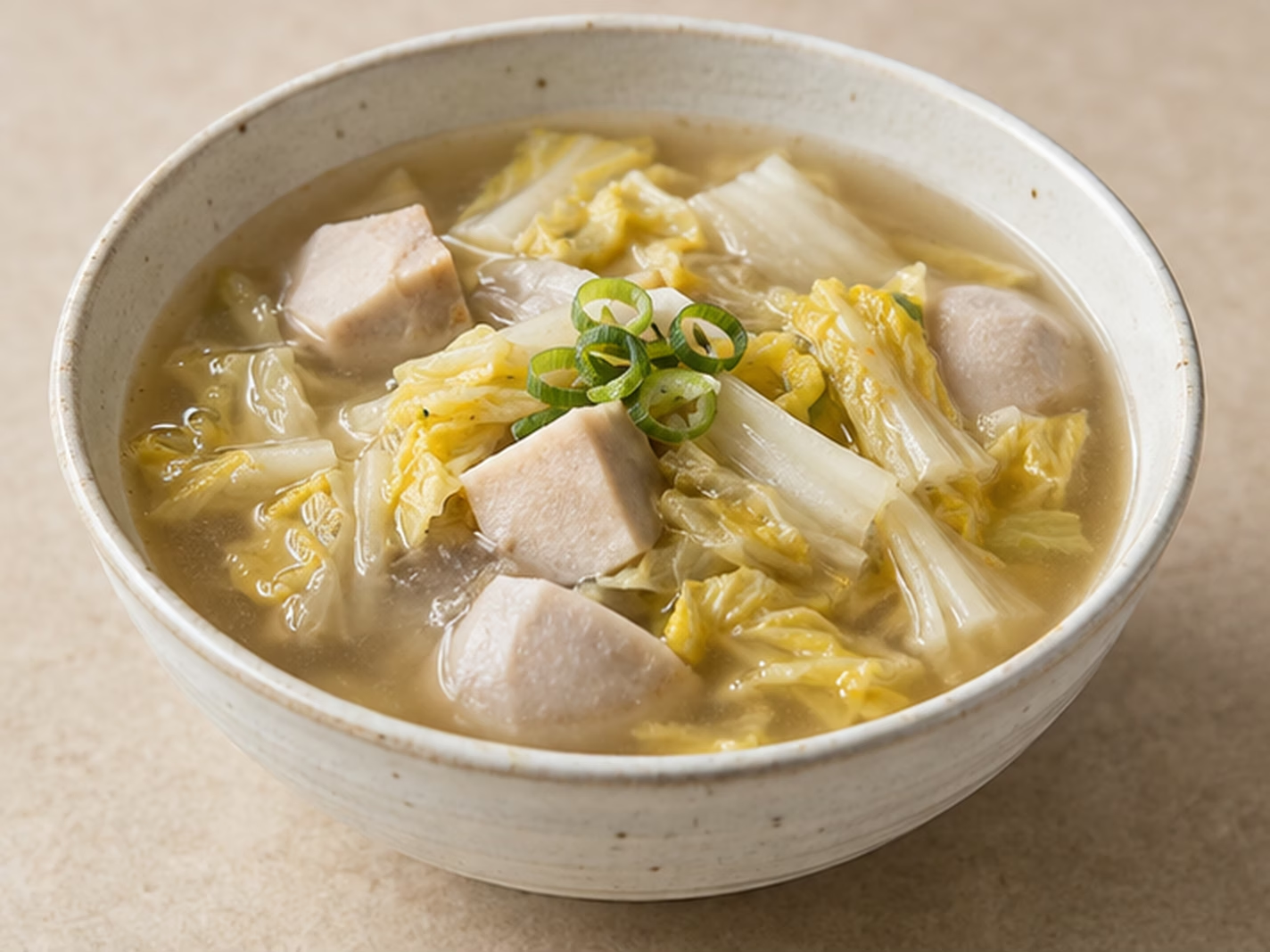
A hearty soybean paste soup with taro, beef brisket, Napa cabbage, and green onion, lightly spiced with red pepper flakes.
View recipe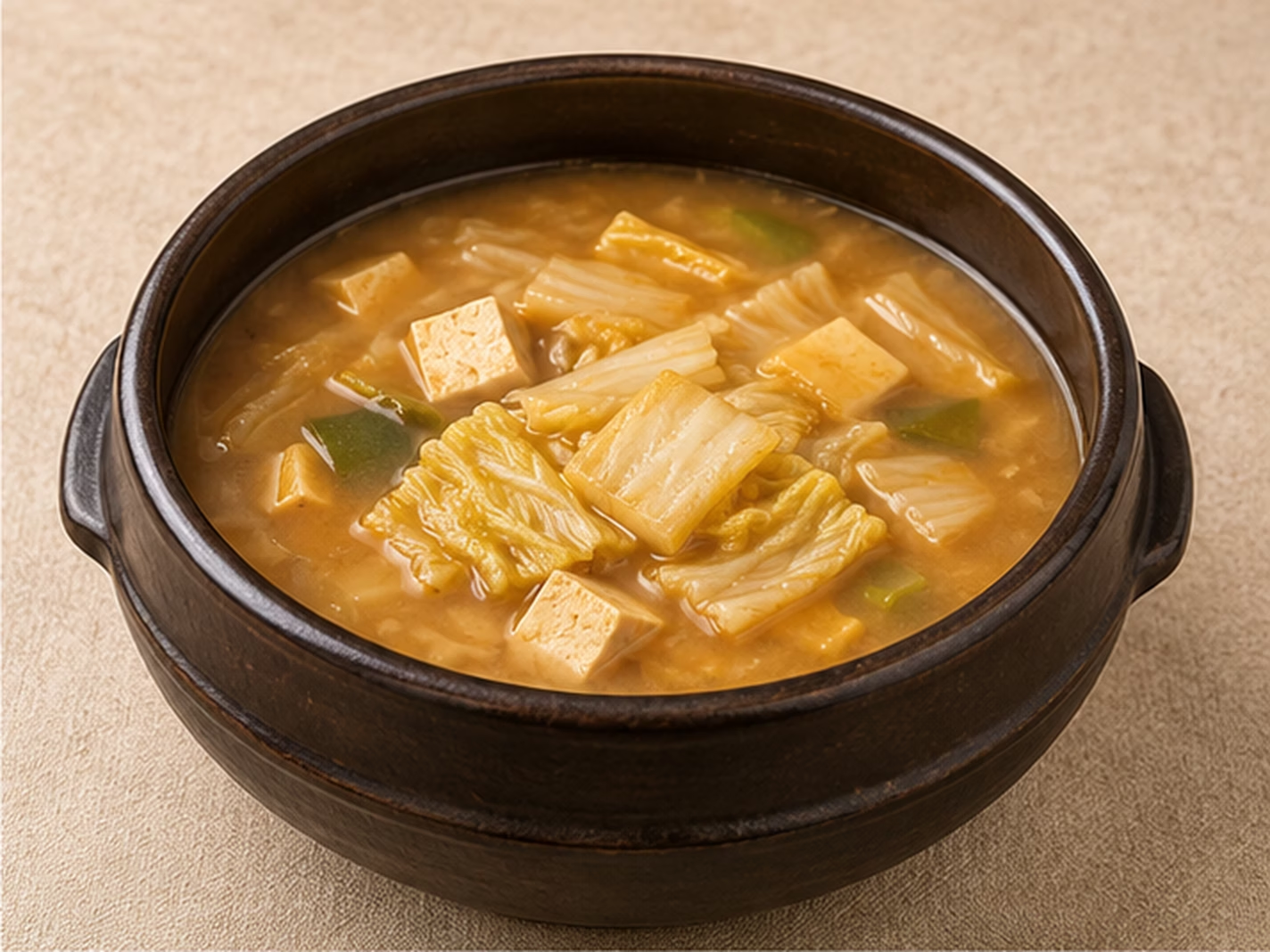
A light soybean paste soup with napa cabbage, tofu, onion, green onion, and chili simmered in anchovy broth and rice-rinsing water.
View recipe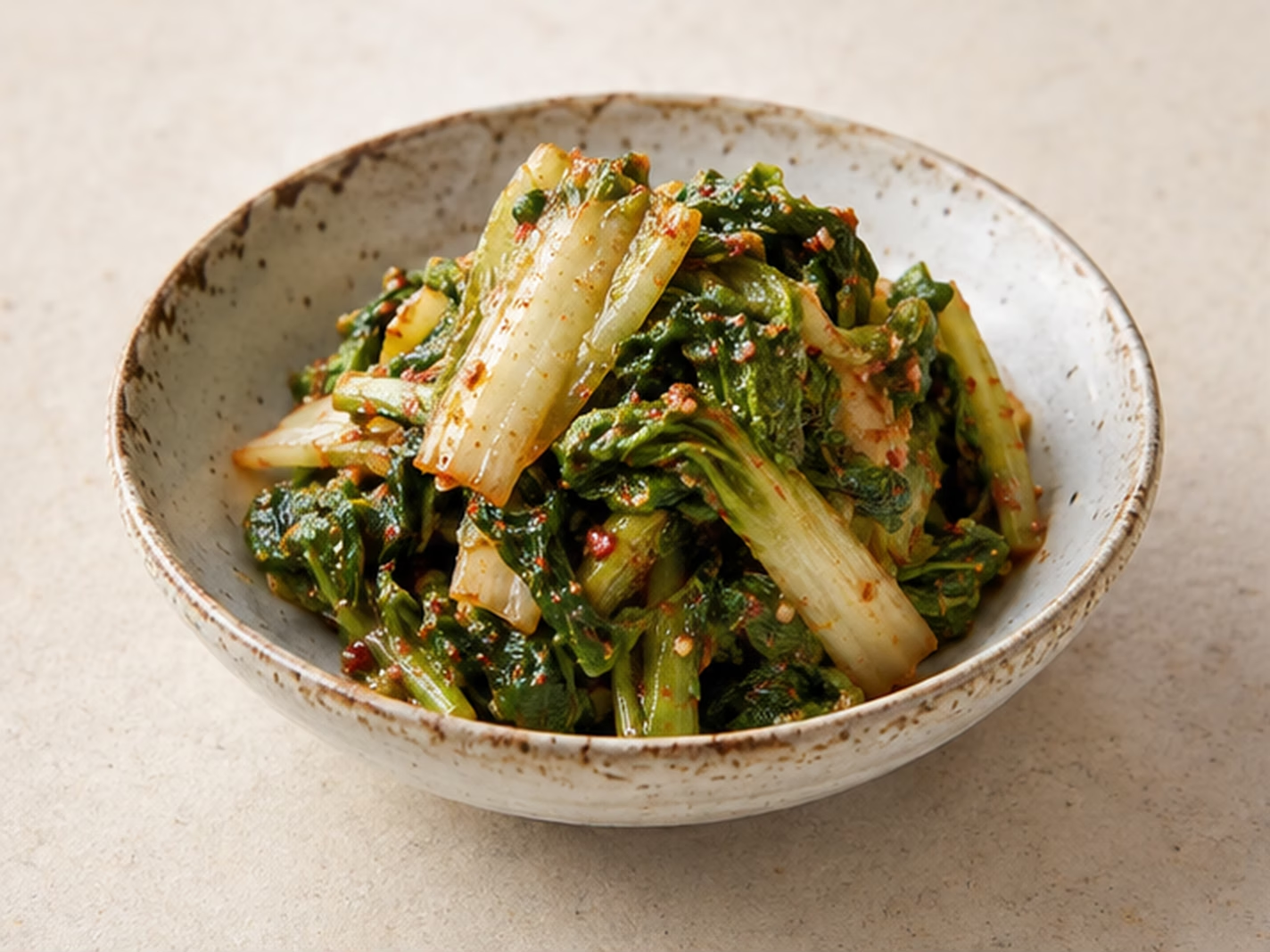
Blanched young napa cabbage tossed with red chili and a creamy low-sodium tofu and soybean paste dressing.
View recipe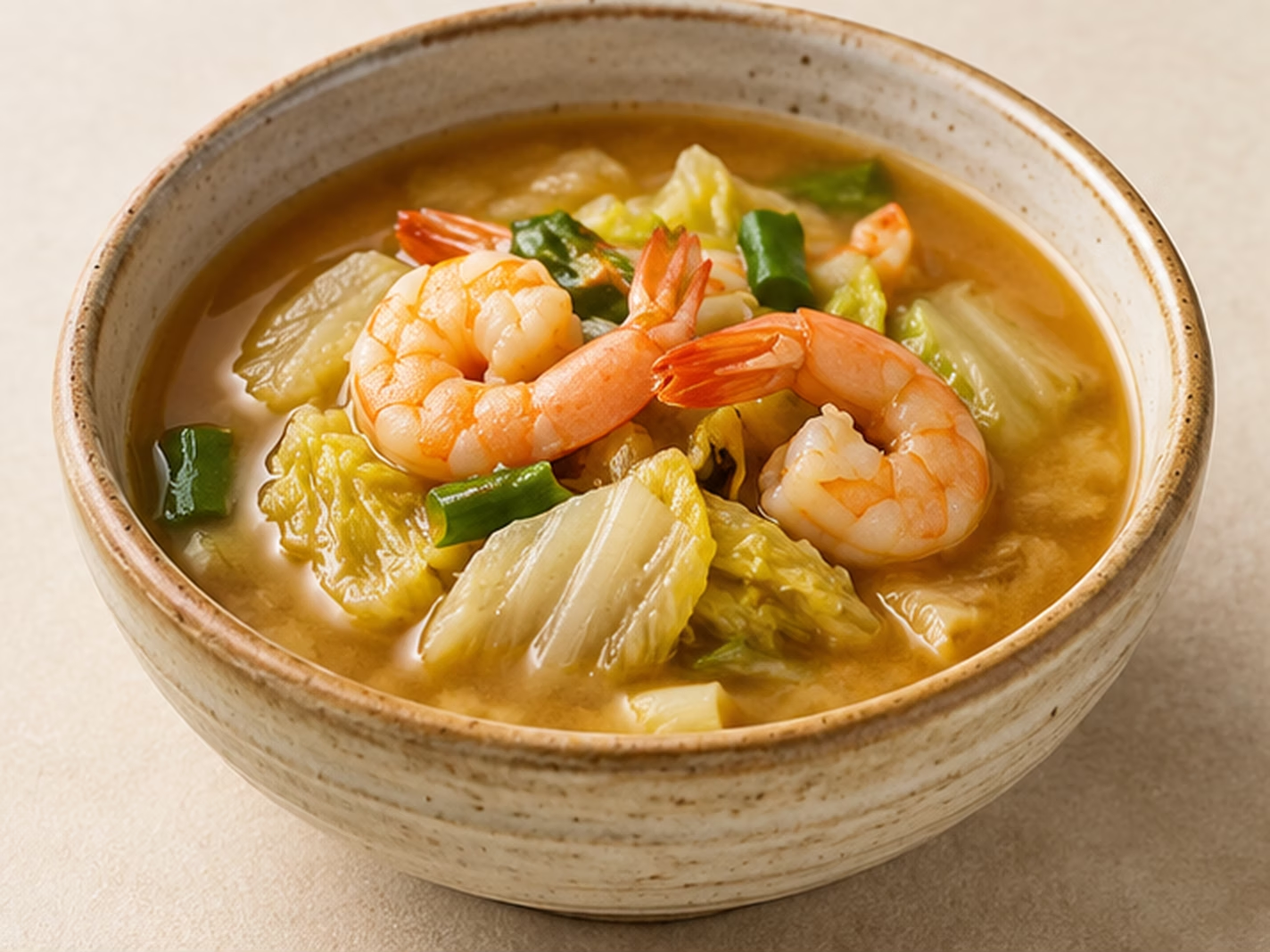
A savory doenjang soup with young napa cabbage, dried shrimp, tofu, vegetables, and a flavorful radish, anchovy, and kelp broth.
View recipe