What does it taste like?
Flavor and texture vary by variety, freshness, and preparation.
Korean seasonings
매실액
Common aliases
plum syrup · maesil syrup · green plum syrup
Korean plum syrup appears in Korean soups, stir-fries, salads, and side dishes. The source recipe may use a particular cut or form, so check the Korean ingredient note before cooking.
Flavor and texture vary by variety, freshness, and preparation.
Use the form and amount listed in the recipe; trim or rinse as needed.
Look for fresh korean plum syrup with no off smell or sliminess.
Refrigerate promptly and follow the package date when one is provided.
Use a little honey and rice vinegar, but sweetness and acidity will need adjustment.
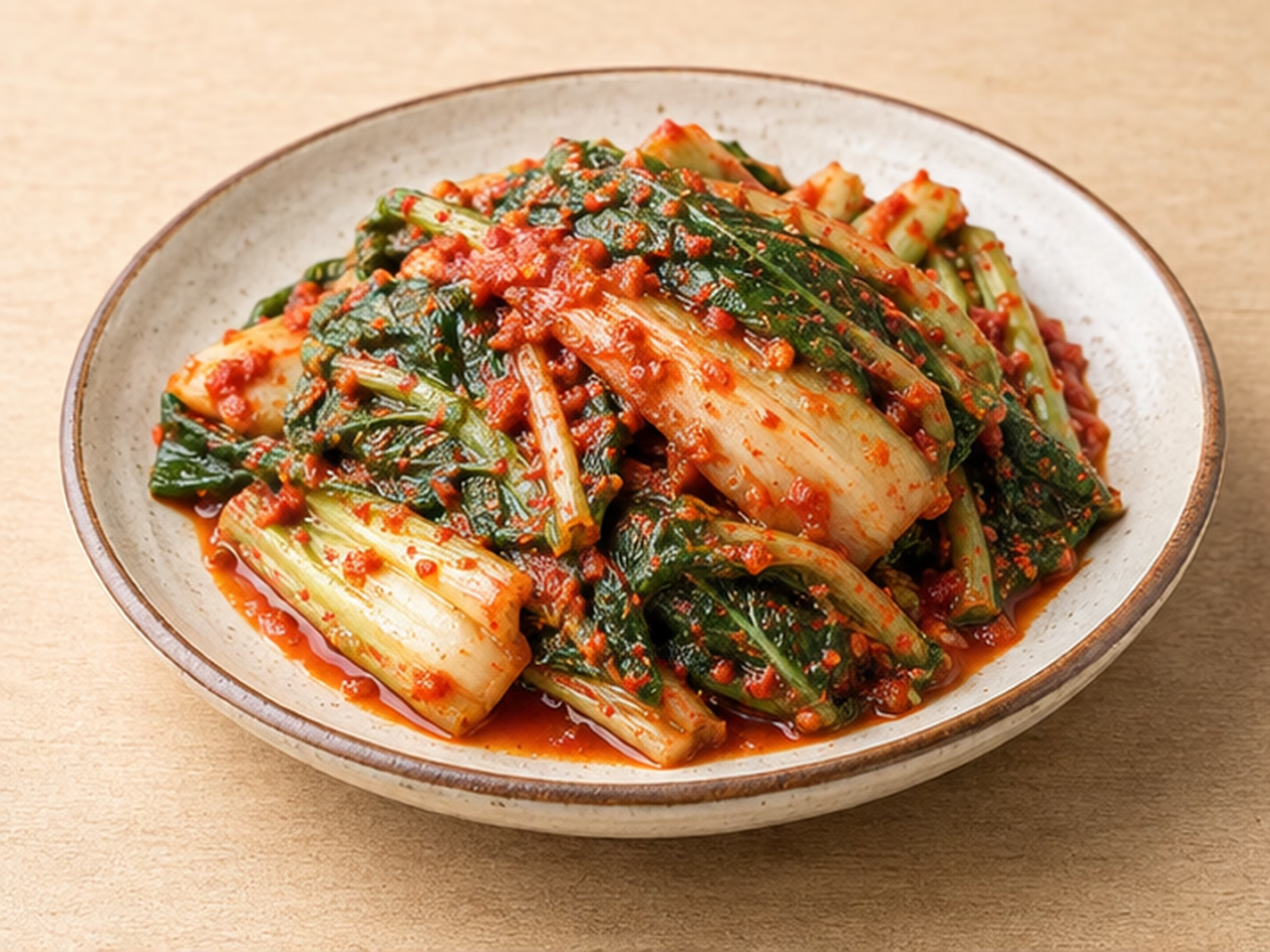
Fresh bok choy is lightly salted and coated with a pear, plum extract, chili, garlic, and ginger seasoning.
View recipe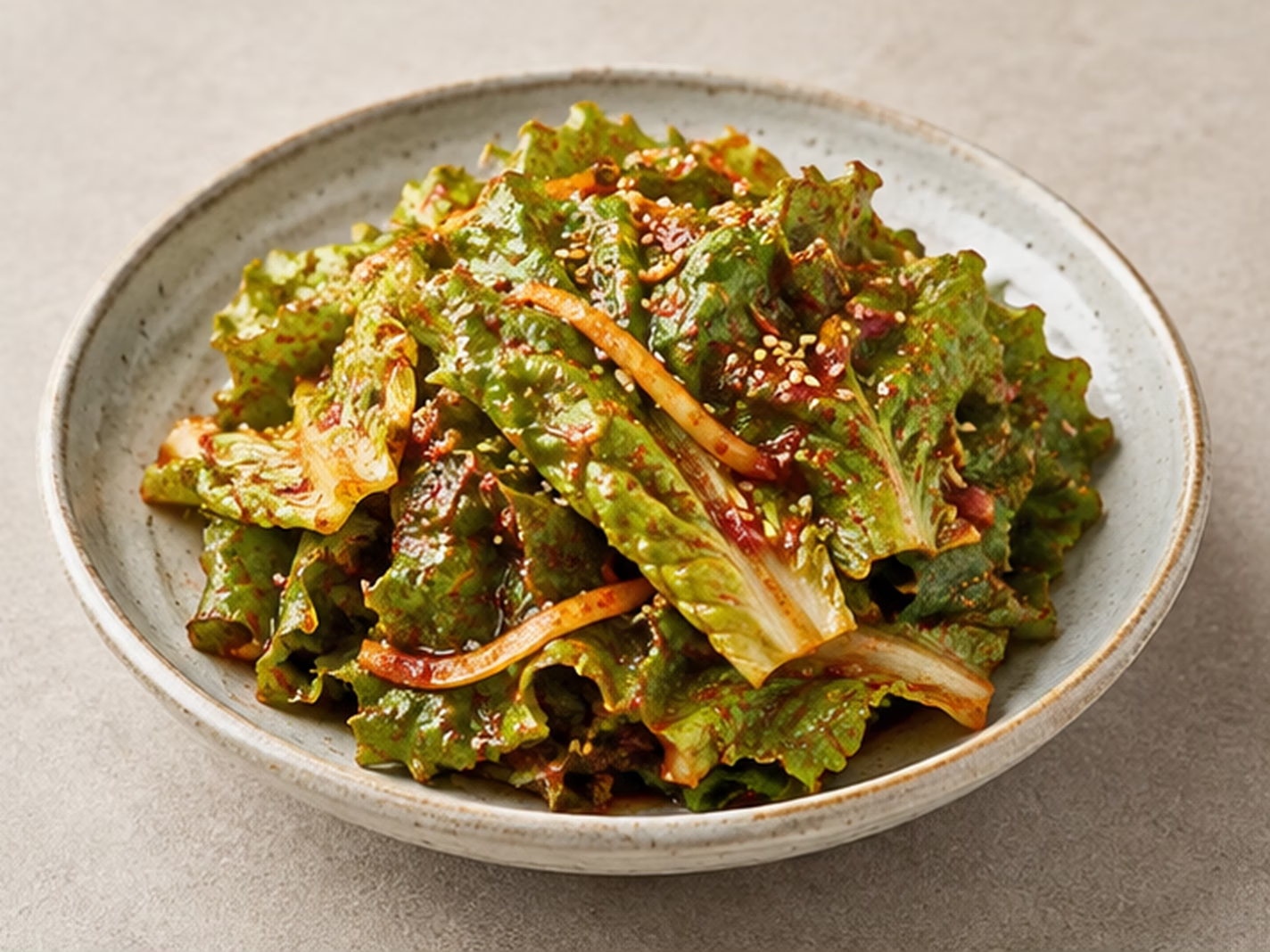
Crisp lettuce, chives, onion, and red chili lightly tossed in a tangy plum, soy sauce, chili, and sesame dressing.
View recipe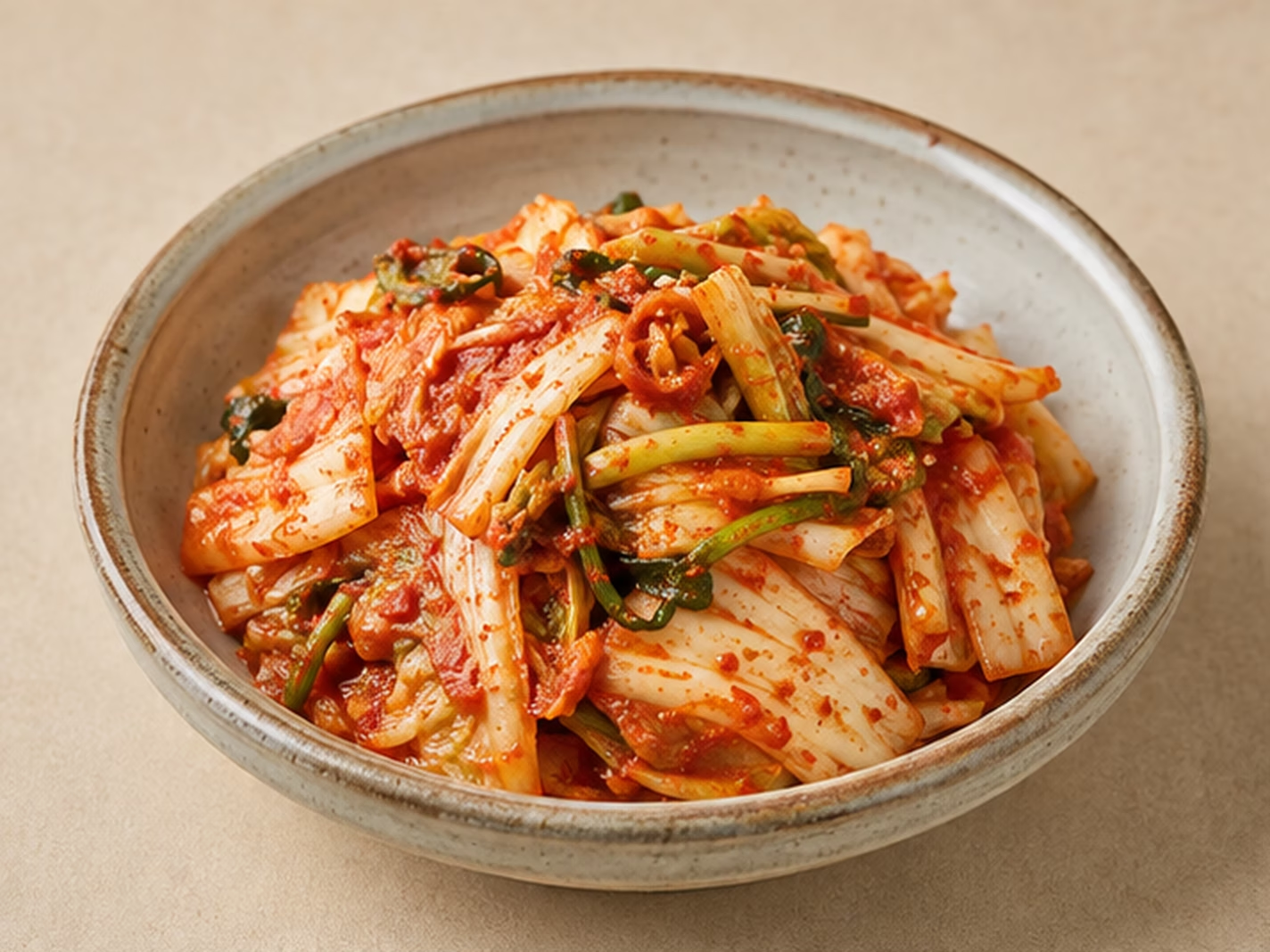
Fresh baby napa cabbage and scallions tossed in a spicy dressing of potato, chili powder, plum syrup, fish sauce, salted shrimp, radish, onion, ginger, and garlic.
View recipe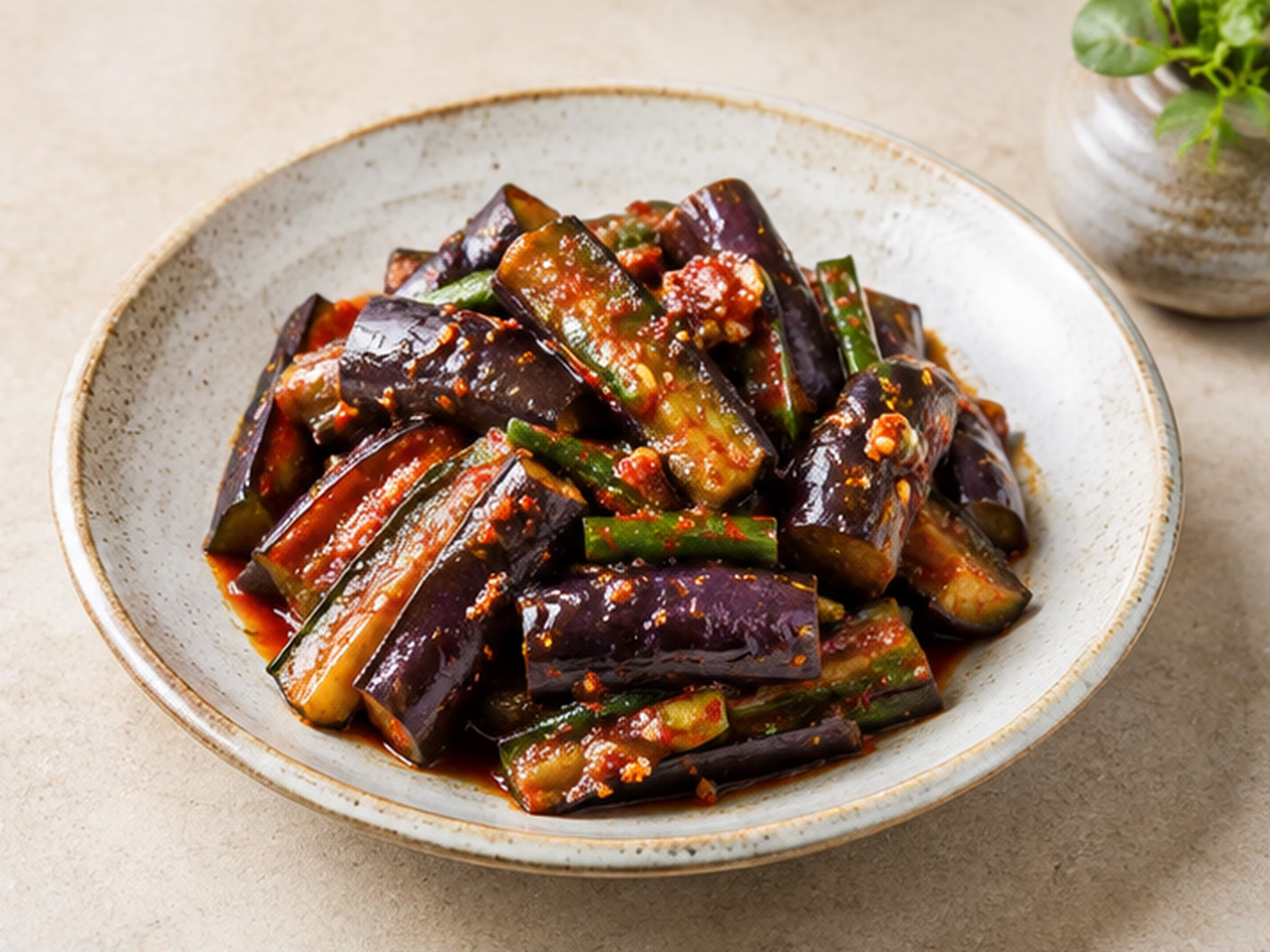
Tender eggplant is lightly salted with fish soy sauce, squeezed dry, and tossed with onion, scallions, chilies, and a tangy gochujang seasoning before a short rest.
View recipe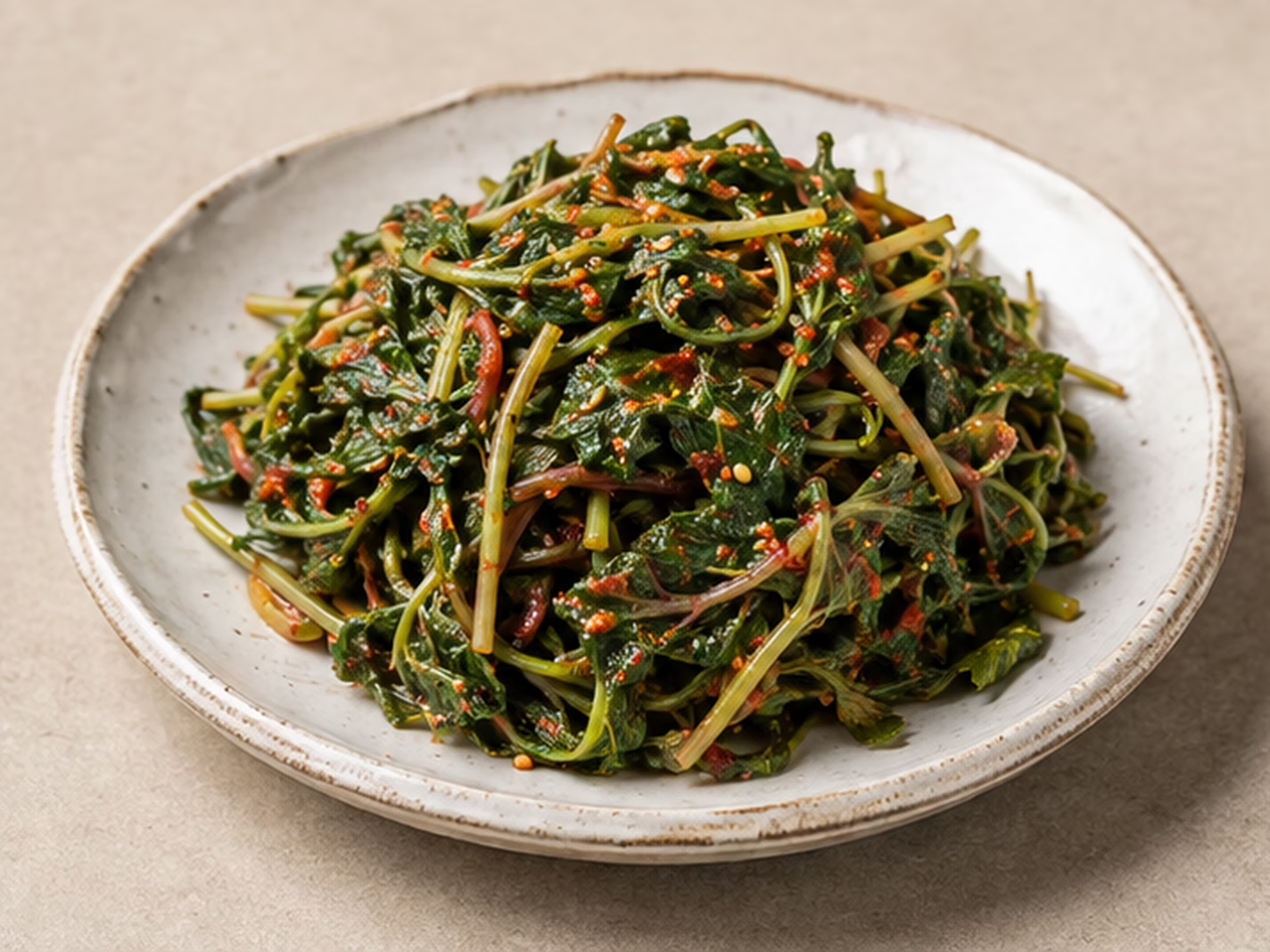
A fresh purslane salad lightly salted and tossed with a savory, mildly spicy seasoning of fish sauce, soy sauce, plum extract, and sesame.
View recipe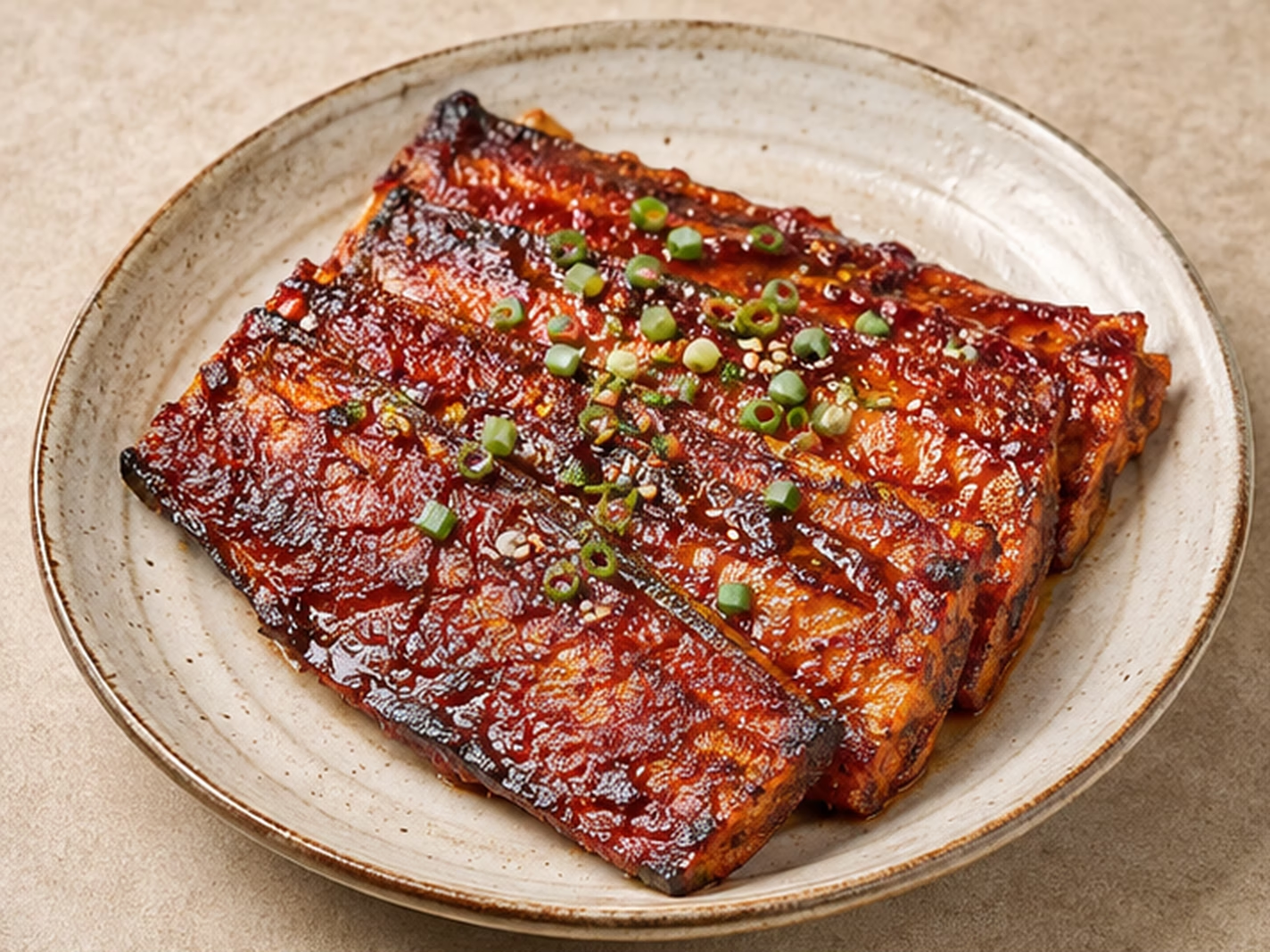
Pan-grilled hairtail brushed with a savory-spicy gochujang glaze flavored with onion, garlic, plum extract, ginger, and sesame.
View recipe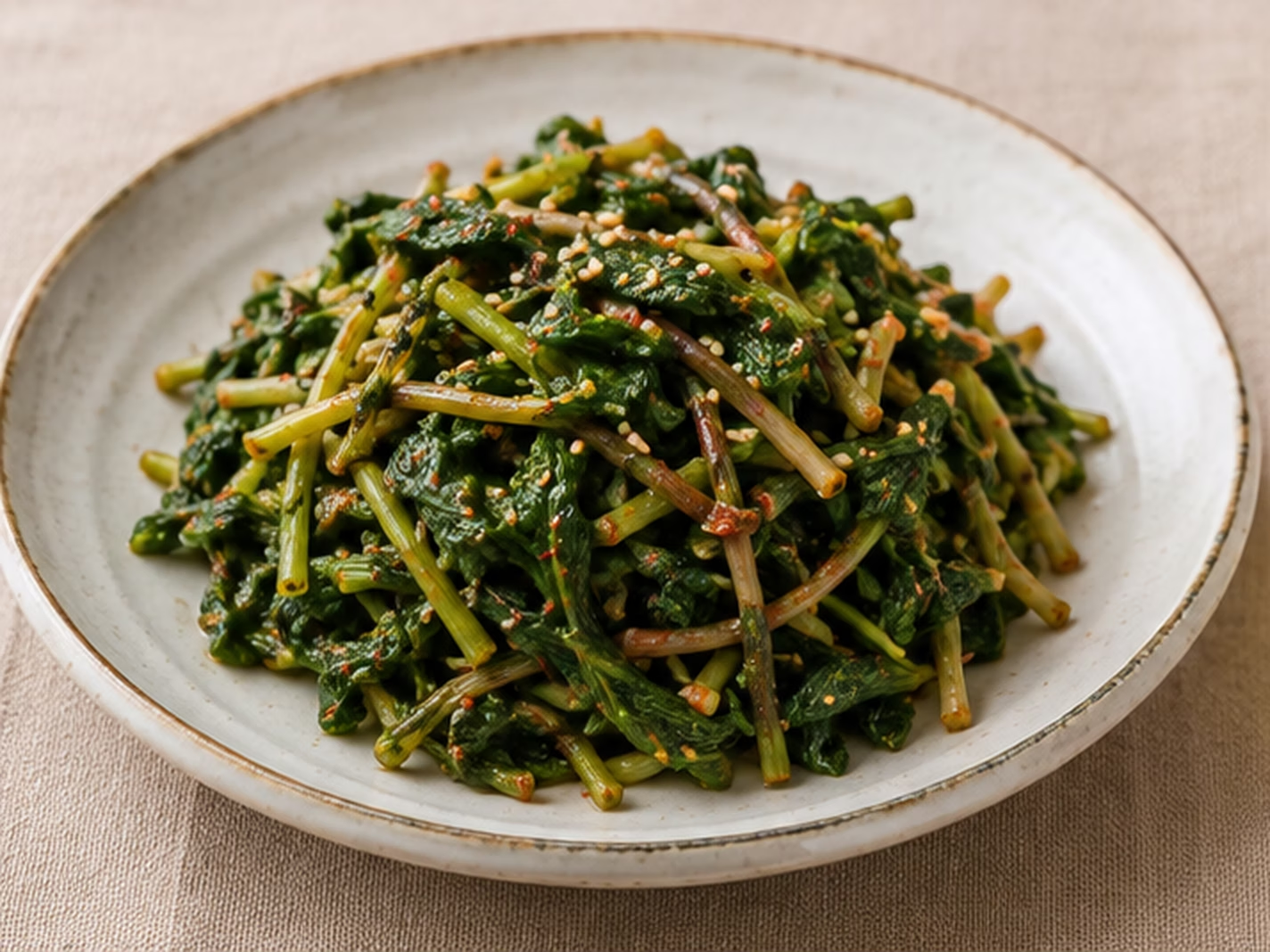
Fresh dandelion greens and sliced onion are lightly tossed with a tangy, spicy seasoning made with chili powder, garlic, sesame, and maesil extract.
View recipe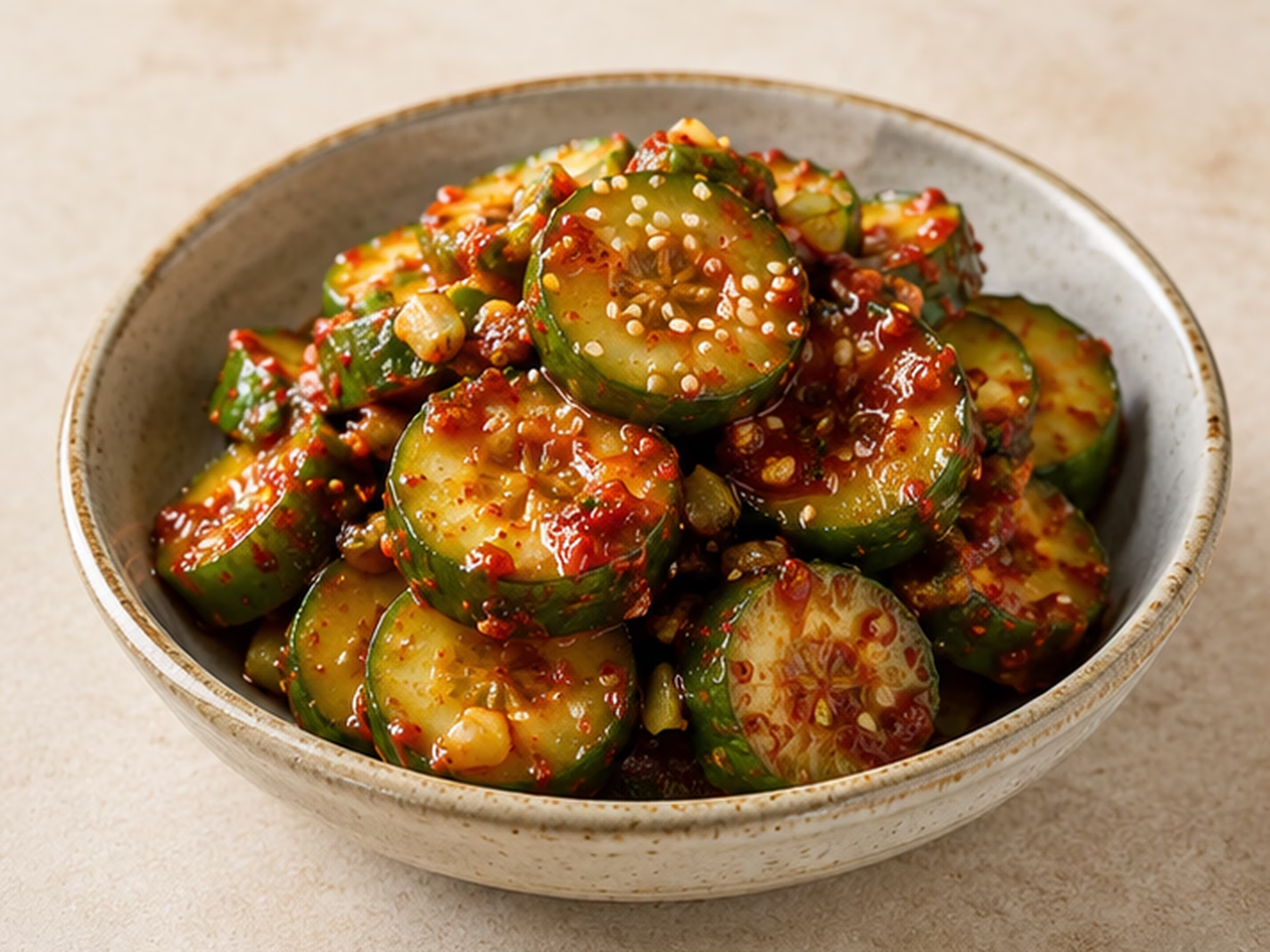
A savory-spicy cucumber side dish coated in a plum extract seasoning with onion, garlic, green onion, sesame oil, and red pepper flakes.
View recipe